
The Unwritten Rules of Filming in India: A Producer’s Survival FAQ
You’ve read the official guidelines. You know about the visas and the 40% rebate. But you still have questions about what it’s actually like on the ground.
We’ve compiled the answers to the questions most producers are afraid to ask until day three of the shoot. This is the practical, "street-level" intel we’ve gathered from over 20 years of managing the chaos.
Section 1: The "Indian Reality" Check
Q1: What does the famous "Indian Head Wobble" actually mean?
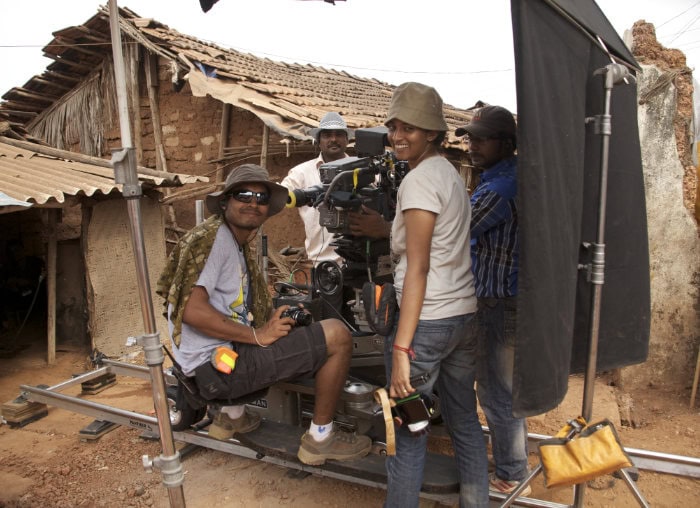
A: If you ask a crew member if the generator is ready, and they wobble their head side-to-side, it can be confusing. Is it a no? Is it a yes?
In India, the head wobble is a multi-purpose gesture. It usually signifies an affirmative acknowledgment, mostly "Yes", sometimes "I hear you," or "Okay." If you need a definitive confirmation on a critical safety or schedule issue, do not rely on the wobble. Ask for a verbal "Yes, it is done" to be sure.
Q2: Why are Indian crew sizes so huge compared to the West?
A: You might be used to a leaner unit, but in India, specialization is key. Union rules and traditional hierarchies mean roles are strictly segmented. A Gaffer doesn't move lights; a specific "Lightboy" does.
This means a camera kit might come with three assistants, and a grip truck might come with a team of four. Don't fight it. In the heat and humidity, having the extra manpower to haul gear up five flights of stairs or manage crowd control is a massive advantage. We budget for this "departmental density" so you aren't surprised by the headcount on the call sheet.
Q3: Can we rely on Google Maps for unit moves in cities like Mumbai?
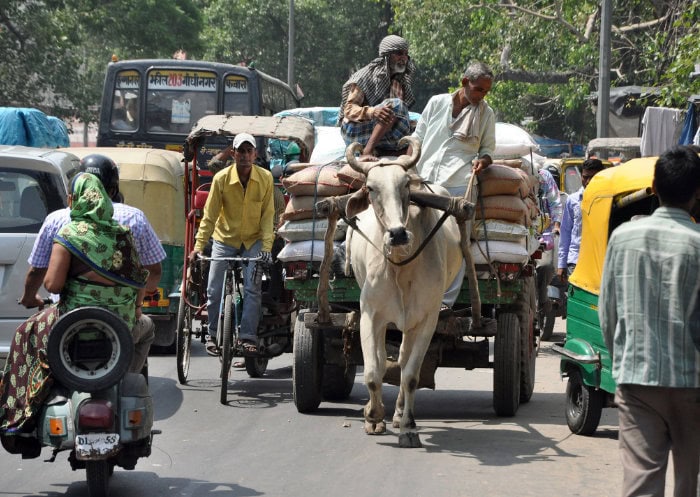 A: Absolutely not. Google Maps is an optimist; Indian traffic is a realist. An estimated 20-minute drive can easily turn into 90 minutes due to random processions, VIP movements, or cattle blocking the road.
We pad all unit moves with a "Chaos Buffer." For major moves, we often recommend night transport for heavy equipment or utilizing our police escort services to cut through the gridlock. Trust our local transport captains over the algorithm.[1]</p>`
Section 2: On-Set Logistics & Infrastructure
Q1: What is a "Vanity Van" and why do you recommend them over Honeywagons?
A: Dedicated American-style "Honeywagons" (trailers with multiple toilet cubicles) are rare in India. Instead, the industry standard is the Vanity Van—a customized coach bus.
These are essentially mobile green rooms split into two sections, each with a sofa, makeup mirror, air conditioning, and a private washroom. They are cost-effective and crucial for keeping talent (and clients) cool and happy in the Indian heat. They double as production offices and safe havens from the crowds. And since they come with bathrooms they can serve as Honeywagons for senior crew.
 Q2: Is the local power grid reliable for sensitive film equipment?
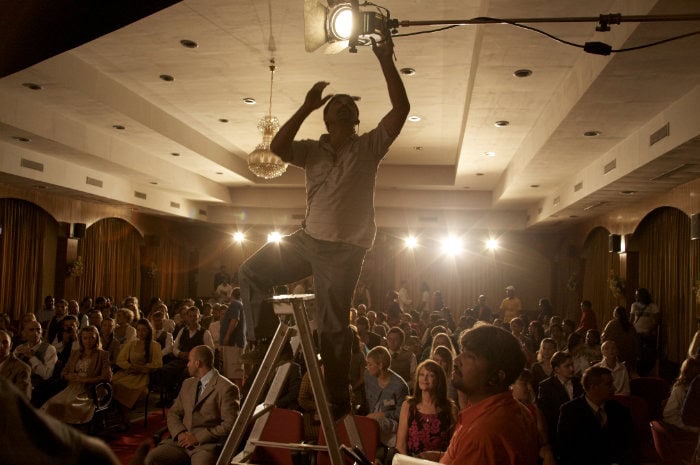
A: In a word: No. Voltage fluctuations and sudden blackouts are common, even in major cities. We never rely on "house power" for camera or lighting departments.
We budget for 100% Generator Redundancy. This means we bring our own silent, film-grade generators to run the entire unit. The local grid is strictly for charging mobile phones and making coffee. We don't risk frying an ARRI Alexa or losing an hour waiting for the grid to come back online.
Q3: Is it true we need a "man with a stick" for unit moves?
A: In older parts of cities or rural villages, power and telecom cables are often strung dangerously low across the street. A standard equipment truck will snag them.
For these moves, we deploy a "cable lifter"—literally a crew member with a long, insulated wooden pole who walks ahead of the truck to lift the wires safely. It slows the convoy down to walking pace, so we schedule these moves for the middle of the night to avoid creating traffic chaos behind us.
Section 3: Technical & Equipment Gotchas
 Q1: Can we bring our own consumables (Gaffer tape, sprays, gels) in our luggage?
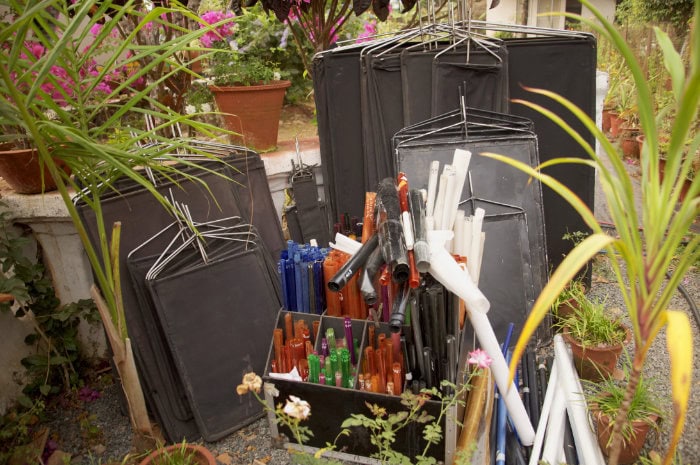
A: You can, but you must never list them on your ATA Carnet or pack them mixed in with gear listed on your Carnet. A Carnet is for goods that will be re-exported. Customs officers know that tape and sprays get used up.
If you list 10 rolls of gaffer tape on your Carnet and leave with zero, you will face massive fines and delays while they search for the "missing" items. Pack consumables separately in a distinct bag or "Consumables Trolley" and declare them as low-value expendables, or better yet, let us source them locally for you.
Q2: Why is recording sync sound so difficult on location?
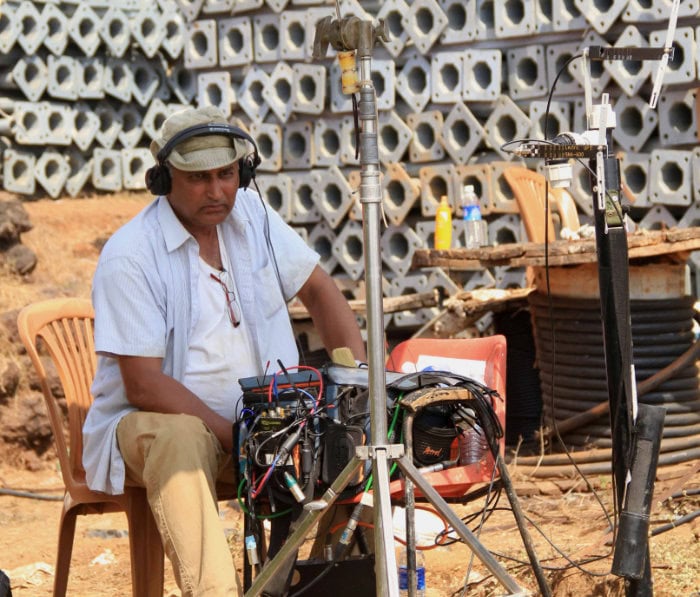
A: India is one of the noisiest countries on Earth. Between the constant honking (which is a driving habit, not just aggression), loudspeakers from temples and mosques, and general street bustle, "silence" is a myth.
If clean audio is critical for a scene, we may need to control the street (which requires permits and police), or we highly recommend budgeting for ADR (Automated Dialogue Replacement) in post-production. We also take audio considerations into account when we scout and often find quiet locations we can cheat for city scenes. For documentaries, we use high-end directional mics and local sound recordists who know how to isolate dialogue in the chaos.
Q3: Do local hair and makeup artists know how to work with Caucasian skin/hair?
A: India has world-class HMU talent, but their daily experience is predominantly with Indian skin tones and hair textures. They may struggle with the specific requirements of pale Caucasian skin in tropical heat or fine blonde hair.
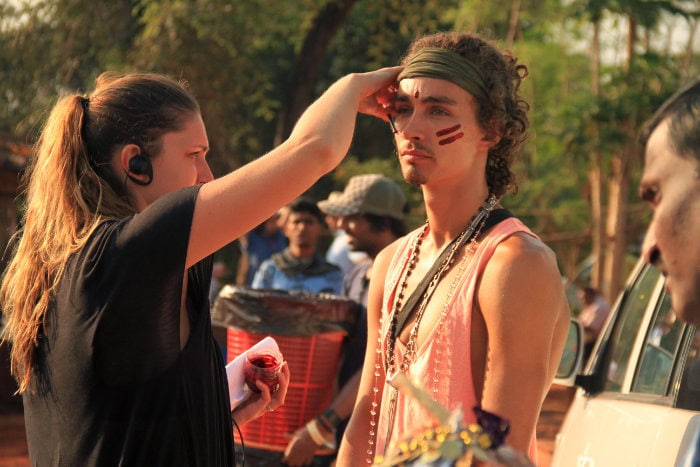 For lead talent, we often recommend bringing your own Key Hair & Makeup Supervisor to set the look and manage continuity, while hiring local assistants to support them. This ensures your talent looks consistent with your other shoot days.
Section 4: Survival & Etiquette
Q1: How do we avoid "Delhi Belly" and keep the crew healthy?
A: Crew health is a production issue. We enforce a strict "Western Stomach" protocol. This means:
-
Sealed bottled water only (even for brushing teeth).
-
No street food for the foreign crew (no matter how good it smells).
- "Boil it, cook it, peel it, or forget it."We source catering from trusted 5-star kitchens, known reputable restaurants, or vetted production caterers who understand international hygiene standards (HACCP). We also advise your crew to start a course of probiotics before they travel.
 Q2: What are the rules for filming in temples or mosques?
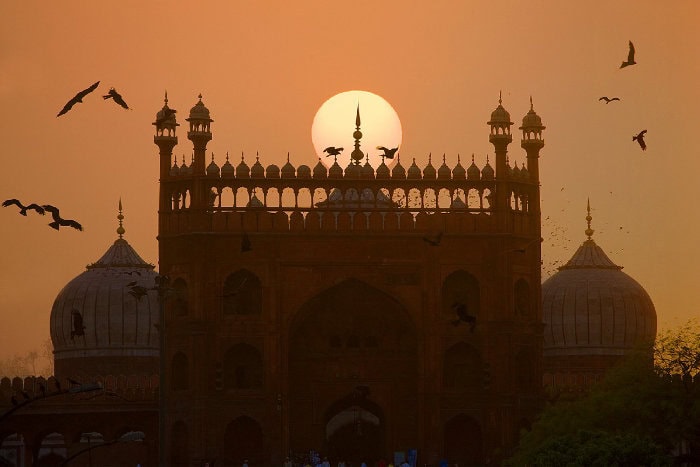
A: Religion is woven into the fabric of daily life here. The rules are strict:
-
Shoes Off: You must remove footwear before entering.
-
Clothing: Shoulders and knees must be covered.
-
Leather: Some Hindu temples prohibit leather items (belts, wallets, camera straps) inside the sanctum.
- Direction: Always walk clockwise around Buddhist stupas or Hindu shrines.Breaking these rules will offend local sensibilities and in the worse case shut down a shoot. Our local fixers will brief you before you step out of the van.
Q3: Can we pay for everything with credit cards?
A: In Mumbai and Delhi hotels? Yes. On the ground? No. Cash, and modern UPI apps like G-Pay, are king in production.
You will need cash for daily petty cash expenses, crew per diems, tipping, and buying props from local markets. International cards often get blocked or simply don't work on local card machines. As your Line Producer, we handle the bulk of these cash disbursements so you don't have to carry bricks of Rupees around.
Need the official rulebook?
-
For the legal side of things, read our Permits & Visas Guide.
-
For money matters, check the (https://goafilms.com/film-incentives-india/).
-
For moving gear, see our (https://goafilms.com/travel-logistics-film-tv-productions-in-india/).