
Hiring Film Crew & Equipment in India: The Army You Didn't Know You Needed.
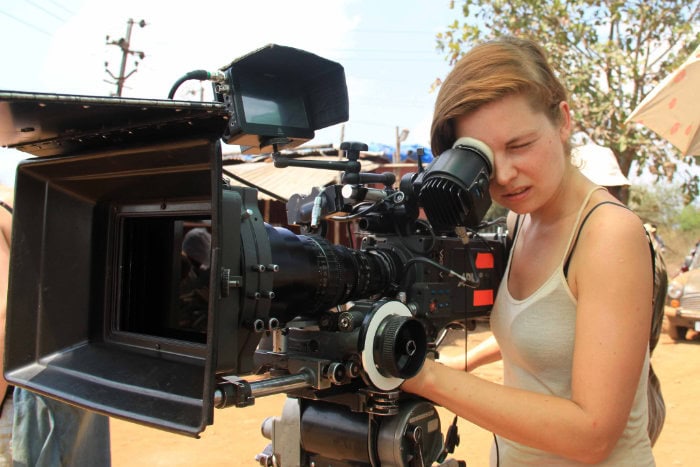 Why "Skeleton Crews" Die in the Indian Heat (And When They Actually Work).
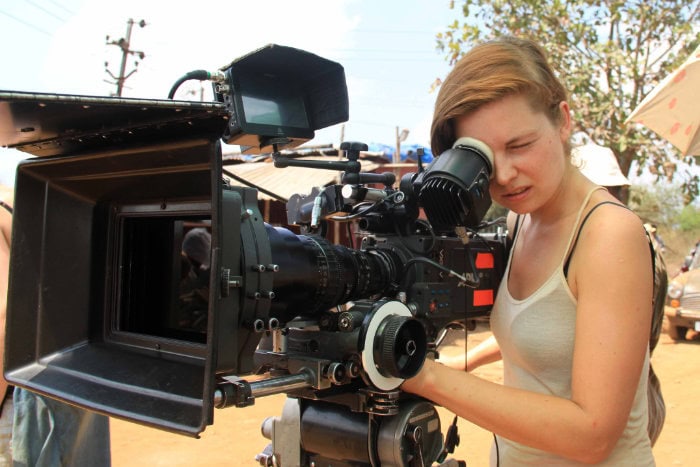
If you are reading this from a cool office in London or LA, your instinct is to keep the crew small. "Lean and mean," right?
In India, "lean" doesn't work. "Lean" collapses from heatstroke carrying a Skypanel up four flights of stairs in 40-degree humidity.
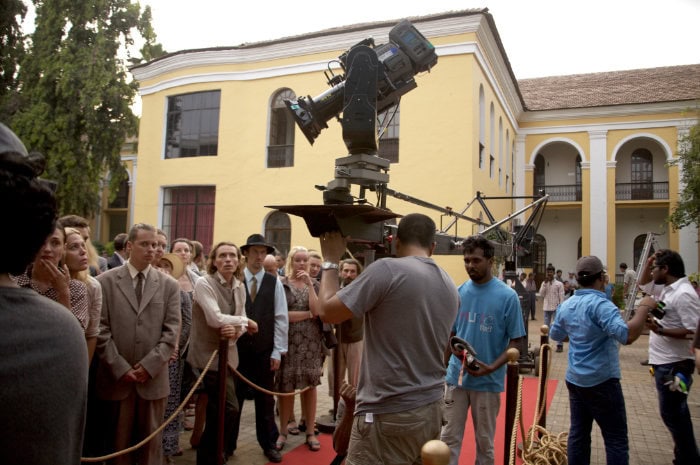
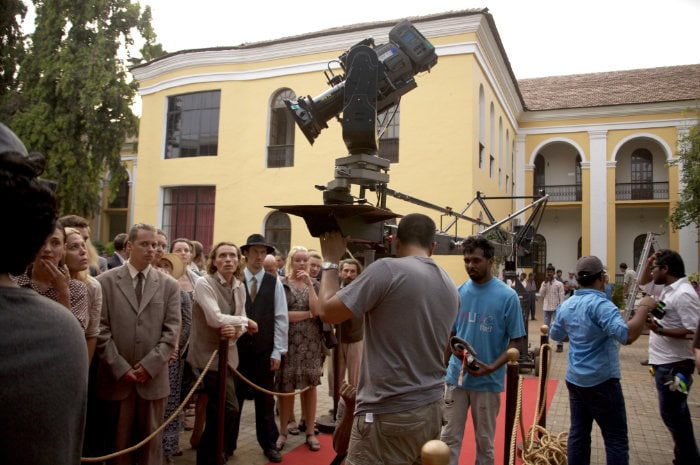
In India, you don't hire a Gaffer; you hire a Gaffer and his team of "Lightboys." You don't just rent a camera; you get three assistants included in the daily rate. To the uninitiated, it looks like a circus. To the Hardened Producer, it looks like luxury.
We don't fight the Indian system; we weaponize it. We deploy the massive, low-cost labor force to do the heavy lifting so your HODs can focus on being creative without breaking a sweat. We manage the army; you get the shot.
But we also know when to adapt. Whether you need the "Bollywood Army" or a "Ninja Doc Unit," we tell you the truth about the budget, not just what you want to hear.
The Crew Structure
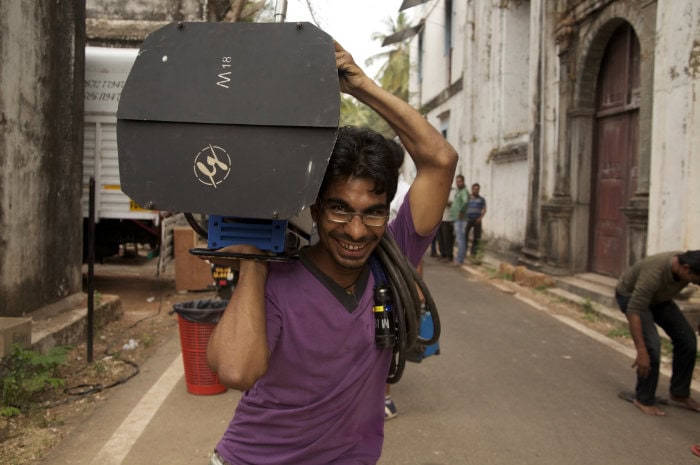 "The 4-to-1 Ratio"

Some may promise "small crews" to make you feel comfortable. We prefer to tell you the truth: You will have more people on set than you are used to. And you will love it.
1. The "Hybrid" Model
-
Western HODs, Local Muscle: Bring your DP and your Director. We supply the rest. Our local technicians speak English, know the Arri ecosystem inside out, and have worked on everything from Tenet to The Crown.
-
The "Lightboy" Advantage: In the West, your spark moves the light. In India, your spark points at the light, and three guys move it. It costs pennies, speeds up the reset time, and keeps your key technicians fresh for the 14th hour.
-
Case in Point: For Jet Trash, we blended key UK creative heads with a massive local unit. The result? A "phantom crew" that moved fast but had the manpower to control entire beaches in Goa.
-
The Rebate: All local crew hires increase your Qualifying Production Expenditure (QPE). You get 30-40% of the rental cost back if you apply for the cash rebate. The extra crew help you meet the 15% Indian crew metric to qualify for 5% of that rebate.
2. The "Shadow" Unit
-
Union Politics: In hubs like Kolkata or Mumbai, Unions often mandate "shadow crews"—local technicians who must be hired even if you have your own. We don't hide this cost; we budget for it and put them to work.
The "Lean & Mean" Exception
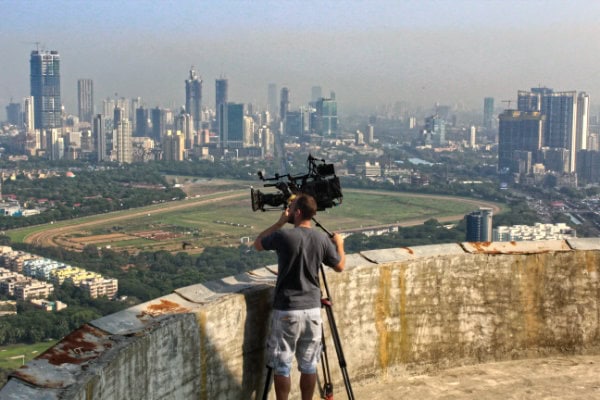 When to Bring Your Own Gear (And Ignore the Rebate)

Sometimes, the "Indian Way" is too heavy. If you are shooting a nimble documentary or a travel show in a remote location, bringing the "Army" is financial suicide.
1. The Logistics Trap
-
The Hidden Cost: In Mumbai or Delhi, those extra "Attendants" go home at night. They are cheap. But if you are shooting in the Himalayas or a remote village, you have to fly them, house them, feed them, and pay them per diems. Suddenly, your "cheap" local camera rental costs you five hotel rooms and five flight tickets.
-
The Solution: For run-and-gun docs, bring your own kit. Yes, you lose the 30% rebate on the equipment spend. But you save thousands in logistics, travel, and accommodation. You stay agile, invisible, and under budget.
2. The Customs Strategy
-
ATA Carnet or a Customs Facilitation Letter. You will need one of these two options. We will find the right solution for you so you don't get stuck in the red channel arguing with a customs officer about your lenses.
-
Case in Point: For Channel 4's Our Guy in India, moving a massive unit was impossible. We kept the core team small, flew in the key kit, and moved fast.
Equipment Rental
 Fly in Talent. Not Tripods.
If you are shooting a commercial or a feature stop paying excess baggage. Stop stressing about ATA Carnets. If it exists in Hollywood, it exists in Mumbai.
1. The Inventory
-
Camera: Arri Alexa 35, Mini LF, Sony Venice 2. We can source it all.
-
Glass: Cooke S7/i, Master Primes, Anamorphics.
-
Grip: Technocranes, Russian Arms, and Stabilized Heads are available locally.
-
The Financial Kicker: Renting gear in India increases your Qualifying Production Expenditure (QPE). That means you get up to 40% of your rental cost back via the cash rebate. Flying your own gear in gets you 0% back. You do the math.
2. Virtual Production (The New Toys)
-
LED Volumes: India now hosts world-class Virtual Production stages with LED volumes comparable to The Mandalorian setups. We have access to facilities like K Sera Sera and Famous Studios in Mumbai.
-
Why Virtual? Want to shoot a Himalayan blizzard without freezing? Do it in Mumbai.
The "Go To Jail" Items
 Drones & Sat Phones
This is where the "Yes Men" get you in trouble. We are the "No Men."
1. Drones (The Red Zone)
-
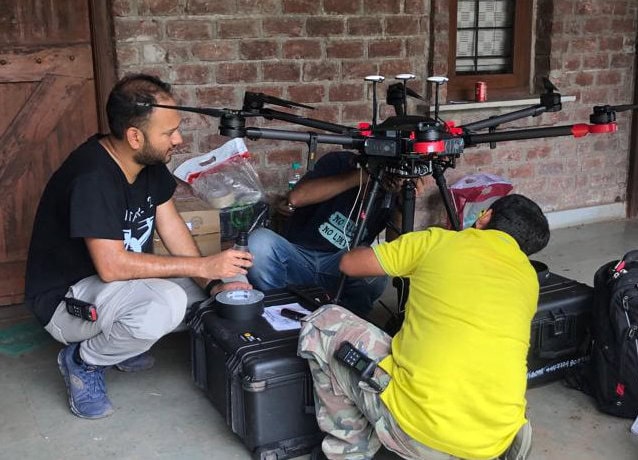
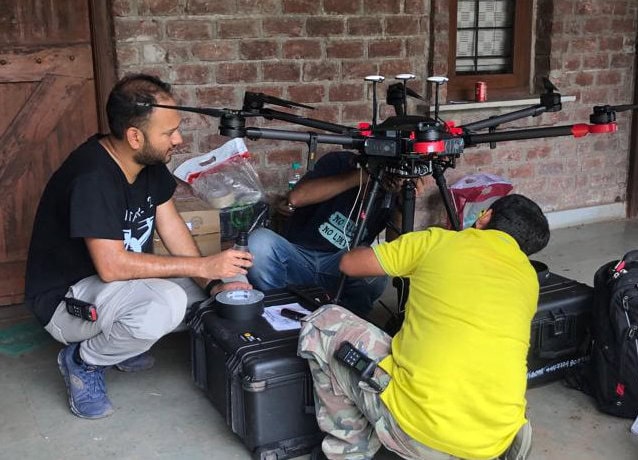
The Law: Foreigners cannot legally bring drones into India. Customs will seize them.
-
The Solution: We hire local, government-registered drone pilots with DGCA permits and insurance. For BBC Asia, and many of our shoots we use local drones to capture aerials that would be illegal if we'd tried to fly the kit in.
2. Satellite Phones
-
The Warning: Do not bring a Sat Phone (Iridium, Thuraya) into India. It is a serious criminal offense due to anti-terror laws. You will be arrested. Even Garmin and other GPS devices that offer messaging services via satellite are also illegal.
-
The Solution: We provide local comms solutions that keep you connected without the risk of a federal indictment.
Production Support (The Safety Net)
Fixing the Unfixable.
1. The "Suicide Schedule"
-
Case in Point: For Capturing Cricket, the schedule demanded 9 cities in 17 days. A standard fixer would have folded. We treated it as a tactical deployment—VIP airport movements, tarmac transfers, and constant communication with transport coordinators, local fixers, and our on-screen contributors at every location.
2. Line Production
-
Movie Magic: We speak your language. We budget in Movie Magic, schedule in Movie Magic, and report in standard cost report formats. No napkin math.
Ready to Deploy?
Big crews. Big lights. Big tax rebates. Contact Us.
Frequently Asked Questions: Equipment, Customs, and Crew
Q1: Should we ship our own camera equipment or rent locally in India?
A: For most standard narrative and commercial productions, renting locally is the recommended strategy. India's major production hubs (Mumbai, Delhi, Hyderabad, Chennai) host world-class rental houses stocking the latest ARRI (Alexa 35, Mini LF), RED, Sony Venice, and premium optics (Cooke, Zeiss, Angénieux).
-
Benefits: Renting locally eliminates high shipping costs, breakage risks, and complex customs procedures.
-
Exceptions: For smaller documentary productions, where a small footprint and an agile crew is essential, bringing your own gear avoids the obligatory 'attendants' that come with rental gear in India. In such cases, an ATA Carnet is the best option for Customs clearance.
Q2: How does the ATA Carnet process work for bringing filming equipment into India?
A: India is a signatory to the ATA Carnet convention, allowing the temporary duty-free import of professional equipment.
-
The Process: You must list every single item (including cables and batteries) with serial numbers and value on your Carnet in your country of origin. Upon arrival, the Carnet is stamped by Indian Customs.
-
The Risk: If any item listed on the Carnet is not re-exported (e.g., a broken lens left behind or a lost battery), the production faces massive import duties (often exceeding 100% of value) and fines.
Q3: What are the rules for hiring local crew vs. bringing foreign Heads of Department (HODs)?
A: India possesses a deep pool of English-speaking, technically skilled crew who regularly work on international features.
-
The Hybrid Model: Most international productions employ a hybrid model: they bring their own key creative HODs (Director, DoP, Production Designer, Sound Recordist) and hire the rest of the unit (Camera Operators, ACs, Gaffers, Grips, Art Dept) locally.
-
Union Rules: Local unions (such as WICA in Mumbai) are strong. If you bring a foreign DoP, you may be required to hire a "shadow" local cinematographer or pay a union waiver fee. GFS negotiates these union requirements upfront to prevent on-set disruptions.