
We Make India Boring. Logistics, Travel, and VIP Security.
 Because you want "Adventure" in the script, not on the call sheet.
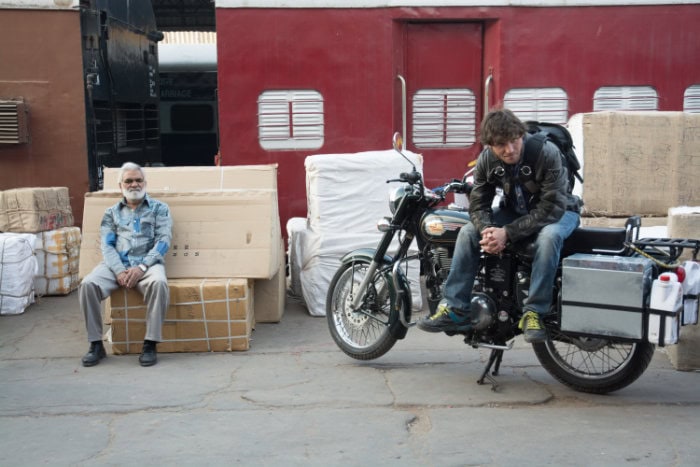
India is sensory overload. It’s colorful, chaotic, and loud. That’s great for your camera, but it’s a nightmare for your schedule.
A "local" fixer might tell you that a six-hour delay is "part of the experience." We don't share that philosophy. We are UK-owned and Western-managed. We treat logistics as engineering, not improvisation.
Whether it’s moving a 50-person unit through the Himalayas or getting an A-List star from Mumbai airport to their trailer without being mobbed, our job is to put a bubble of silence and efficiency around your production. We handle the chaos so you 'make your day' and get your shots.
VIP Movements & Talent Security
 The "Invisible Forcefield"
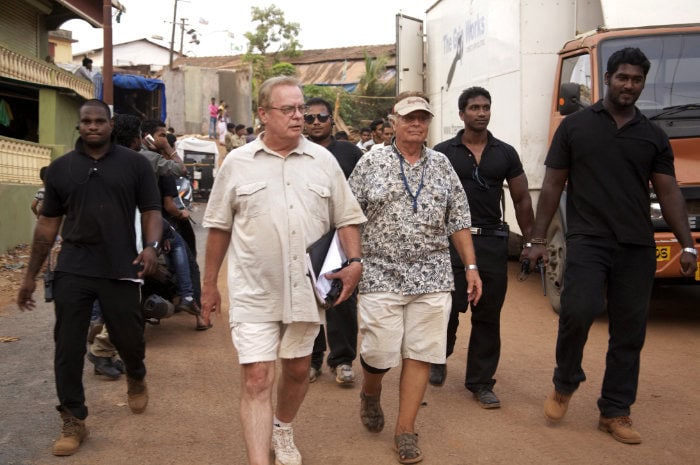
Your Talent is your biggest asset and your biggest liability. In India, stars aren't just celebrities; they are treated like deities. If you don't manage the environment, the environment will manage you.
1. The Airport Protocol
Arrival in India can be overwhelming. We don't let your talent walk out into the scrum.
-
VIP Meet & Greet: We arrange airside or curbside assistance to fast-track your HODs and Talent through immigration and customs.
-
Case in Point: For Capturing Cricket, we managed a "suicide schedule" of 18 flights in 17 days across 9 cities. We utilized VIP protocols at every airport to ensure Steve Waugh—a cricket god in India—moved seamlessly from tarmac to car without delay.
2. The Security Bubble
You need security that works, not security that poses for photos.
 Invisible Security: We deploy professional security details that understand the difference between "protection" and "intimidation." We keep the crowds back so your talent can work.
The Vehicles: We provide high-end SUVs and luxury Vanity Vans that act as mobile green rooms. Once the door closes, the noise of India stops.
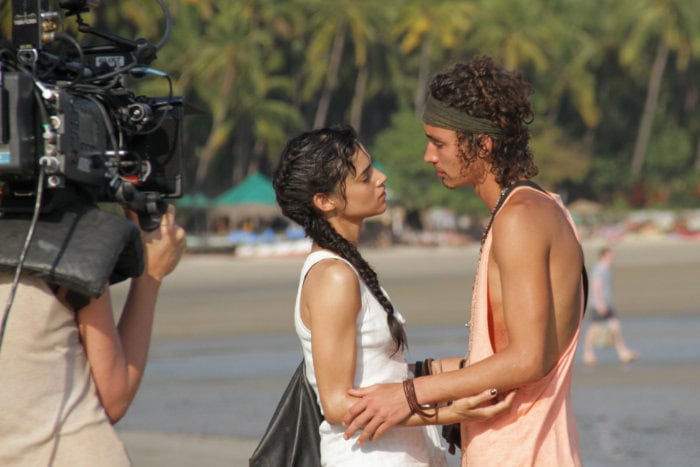
Case in Point: For Jet Trash, we managed rising stars like Robert Sheehan and Sofia Boutella in the middle of Goa's party season. We created "invisible infrastructure"—using local guest houses as safe zones—allowing them to shoot in the middle of real crowds without ever losing control of the situation.
Unit Travel & Transport
Moving the Circus
Moving a film unit in India requires military-grade planning. Google Maps lies here. We know the roads, the rails, and the shortcuts.
1.  The Fleet
-
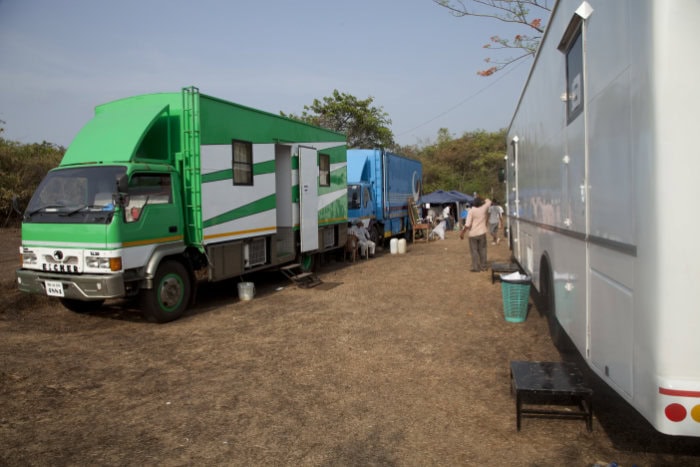
Equipment Trucks: We use verified transport partners who understand that camera gear doesn't like potholes or being left unattended in car parks.
-
Unit Moves: We advise on the reality of travel times. If a map says 2 hours, we know it’s 4. We budget for the traffic so you don't lose the light.
-
Extreme Logistics: Need to go off-road? Our sister company, Himalaya Film Services, specializes in getting gear to places where roads don't exist. We’ve moved units by yak, helicopter, and raft.
2. Documentary Agility
-
Case in Point: For Channel 4's Our Guy in India and Luke Nguyen's India, the schedule required constant movement across vast distances. We pre-cleared routes and utilized domestic flights to "island hop" the unit, turning a logistical nightmare into a sleek travelogue.
Accommodation & Welfare
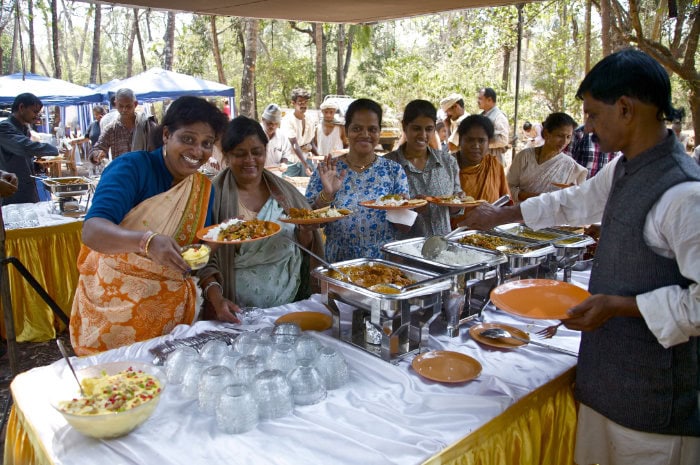 The "Delhi Belly" Defense System
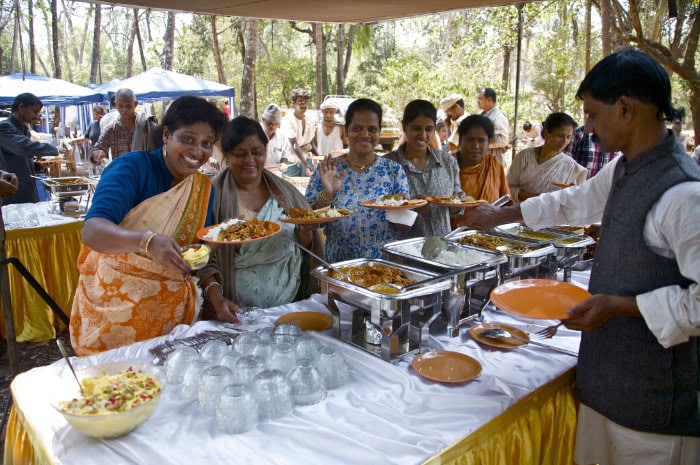
Nothing kills a schedule faster than a sick crew. We take hygiene obsessively seriously.
1. The Hotel Audit
-
Western Standards: We don't guess with hotels. We book trusted 4 and 5-star properties where we know the AC works, the Wi-Fi is real, and the sheets are clean.
-
Remote Locations: Shooting in the jungle? We build the camp. We bring in generators, mobile toilets, and catering units to create a "pop-up" studio base.
2. Catering & Hygiene
-
The Rule: "Boil it, cook it, peel it, or forget it." We source catering from trusted kitchens that understand Western dietary requirements. We keep your crew fed, watered, and—most importantly—healthy.
Customs & Paperwork
 The Unsexy Stuff That Matters
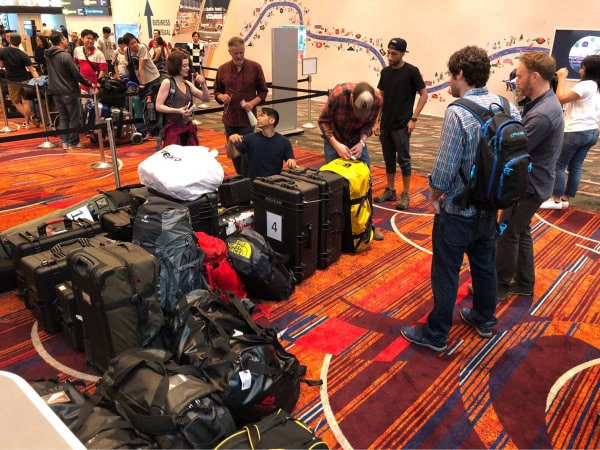
You can't shoot if your camera is stuck in a customs warehouse.
1. Equipment Import (Carnets)
-
ATA Carnet Management: India is a signatory to the ATA Carnet system, but individual customs officers can still be... difficult. We prepare you for the clearance process at major hubs (Mumbai, Delhi, Bangalore) to ensure your gear clears simply.
-
Customs Facilitation: For productions without Carnets, we manage the government "Customs Facilitation Letter" process, although we strongly recommend Carnets for speed and peace of mind.
2. Visas ('J' vs 'F')
-
Compliance: Getting the wrong visa can get you deported. We guide you through the 'J' Visa (Journalist/Doc) vs. 'F' Visa (Feature/Commercial) minefield.
-
Read more on Permits & Visas
-
Ready to Move?
Don't let logistics dictate your creative. Let us lighten the load. Contact us.
Frequently asked questions: Travel and Logistics
Q1: How do we manage transport and unit moves in India?
A: Logistics in India require robust planning.
-
Road: Traffic in cities like Mumbai and Delhi is dense. We sometimes utilize police escorts for large convoys and always budget extra time for all moves.
-
Rail & Air: For inter-city travel, we coordinate domestic flights. The only time we would use a train for a unit move is if we want to actually film the journey e.g. for a travelogue. They are not reliable enough under any other circumstance.
-
Remote Access: For Himalayan or rural locations, we manage 4x4 convoys and base camp logistics.
-
GFS Standard: We ensure all transport adheres to safety standards, using reputable vendors with maintained vehicles and rested drivers, mitigating the high accident risk associated with Indian roads.
Q2: What are the rules for carrying camera batteries and "Dangerous Goods" on Indian domestic flights?
A: India’s aviation regulator (DGCA) enforces strict safety protocols regarding Lithium-Ion batteries, which differ from some international standards. Loose batteries (power banks, camera batteries) are strictly prohibited in checked-in luggage. They must be carried in your cabin hand baggage.
- Batteries under 100Wh are generally permitted. Batteries between 100Wh and 160Wh (often used for cinema cameras) are restricted to a maximum of two spare batteries per person and those stored in the equipment itself e.g. one person carrying a camera can have 1 battery in/on the camera and a further 2 loose batteries. 'Normally' batteries attached to a charger can be classified as stored in the equipment. Batteries exceeding 160Wh are typically forbidden on passenger aircraft and must be shipped via air cargo or sent by road. Flight Safe Certificates should be downloaded from the manufacturer's website in case we need to reassure security staff.
- GFS will assign a team member to travel with you to ensure things run smoothly by ensuring that there are no batteries in checked-in luggage and that batteries are distributed amongst all travelers to stay within security clearance limits. Whenever possible we send people by air and gear by road to bring down stress levels and save a ton on excess baggage at the same time.
Q3: How do you handle excess baggage for film equipment traveling domestically?
A: Domestic baggage allowances in India are often lower than international standards (typically 15kg for Economy). Showing up at the airport with 20 flight cases results in exorbitant "excess baggage" fees that can wreck a budget. We mitigate this by pre-booking "Pre-paid Excess Baggage" slots or negotiating bulk media rates with carriers like IndiGo or Air India in advance or we send the gear by road and crew travel light by air.
Q4: How do you ensure crew health and food safety (avoiding "Delhi Belly")?
A: Keeping your foreign crew healthy is our primary operational priority. We strictly adhere to a "Western Stomach" catering protocol. This means we only source catering from audited kitchens and known reputable local restaurants. If budget allows we can arrange all foreign crew meals from 4/5-star hotels that follow international hygiene standards (HACCP).
On location, we provide sealed, branded mineral water and enforce a strict "no street food" policy for the official unit. For shoots in remote areas, we deploy mobile catering units that can prepare fresh, hot meals that are safe, hygienic, and cater to specific dietary requirements (Vegan, Gluten-Free, etc.), ensuring the production doesn't lose days to preventable illness.
Q5: What security protocols are in place for high-profile talent and VIPs?
A: Crowd control in India requires a specific nuance; aggressive security often attracts more attention. We utilize an "Invisible Security" approach for A-list talent. This involves advance reconnaissance of all locations to identify private entry/exit routes (avoiding main lobbies) and the use of luxury vanity vans as mobile "safe zones." Our Close Protection Officers (Bodyguards) are on 24hr standby in case of spontaneous late night excursions or long shoot days.
For airport transfers, we arrange VIP Meet & Greet services (where available) to fast-track talent through security, immigration and customs, moving them directly from the aircraft to a waiting vehicle without exposing them to public terminals. Many airports have VIP Lounges that can be booked in advance providing a quiet, comfortable, and secure bubble to wait for their flights.